How Doppler Ultrasound Machines Revolutionize Medical Diagnostics | Advanced Imaging Solutions_36
How Doppler Ultrasound Machines Revolutionize Medical Diagnostics
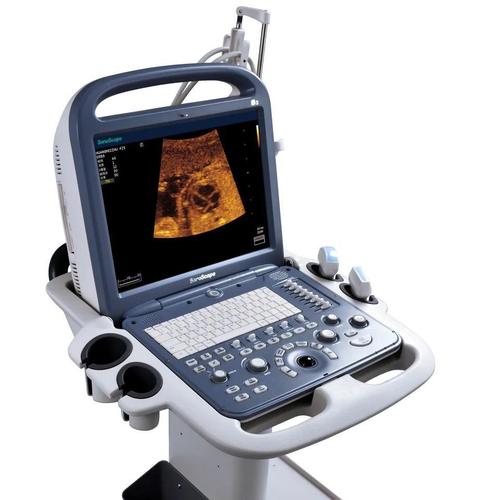
Introduction
Doppler ultrasound machines have become indispensable tools in modern medical diagnostics, offering non-invasive imaging solutions for vascular and cardiac conditions. These advanced devices utilize the Doppler effect to measure blood flow velocity, providing clinicians with critical information about circulatory system function. As technology continues to evolve, Doppler ultrasound machines are becoming more sophisticated, portable, and accessible to healthcare facilities worldwide.
Understanding Doppler Ultrasound Technology
A Doppler ultrasound machine is a specialized medical imaging device that uses high-frequency sound waves to visualize blood flow through vessels. Unlike traditional ultrasound, which primarily shows anatomical structures, Doppler technology adds the crucial dimension of hemodynamic assessment. The machine works by emitting sound waves that bounce off moving blood cells, with the frequency shift (Doppler effect) providing information about blood flow direction and velocity.
Key Benefits of Doppler Ultrasound Machines
Doppler ultrasound machines offer numerous advantages in clinical practice. They provide real-time imaging without radiation exposure, making them safe for repeated use. These devices enable early detection of vascular abnormalities, deep vein thrombosis, and arterial stenosis. The non-invasive nature of Doppler ultrasound reduces patient discomfort while delivering accurate diagnostic information comparable to more invasive procedures.
Clinical Applications of Doppler Ultrasound
Doppler ultrasound machines find application across multiple medical specialties. In cardiology, they assess heart valve function and congenital defects. Vascular specialists use them to evaluate peripheral artery disease and venous insufficiency. Obstetricians rely on Doppler ultrasound for fetal monitoring, while neurologists employ transcranial Doppler for cerebral blood flow assessment.
Choosing the Right Doppler Ultrasound Machine
When selecting a Doppler ultrasound machine, consider factors like transducer frequency range, imaging modes (color, power, spectral Doppler), and portability needs. High-end systems offer advanced features like 3D/4D imaging and elastography, while compact models provide basic functionality for point-of-care applications. Evaluate your clinical requirements and budget to find the optimal solution.
Connecting to Our Products
Our company specializes in providing high-quality Doppler ultrasound machines for medical facilities worldwide. We offer a range of models from portable units for bedside examinations to advanced systems for comprehensive vascular labs. Each machine undergoes rigorous quality testing to ensure reliable performance and diagnostic accuracy.
Frequently Asked Questions
Q: How does a Doppler ultrasound differ from regular ultrasound?
A: While both use sound waves, Doppler ultrasound specifically measures blood flow characteristics in addition to imaging structures.
Q: Is Doppler ultrasound safe during pregnancy?
A: Yes, Doppler ultrasound is considered safe and is commonly used for fetal monitoring.
Q: What maintenance does a Doppler ultrasound machine require?
A: Regular transducer cleaning, software updates, and periodic professional calibration are recommended.
Q: Can Doppler ultrasound detect all vascular problems?
A: While highly effective, some conditions may require additional imaging modalities for complete evaluation.
Q: How long does a typical Doppler ultrasound exam take?
A: Most examinations are completed within 15-30 minutes, depending on the area being studied.
Conclusion
Doppler ultrasound machines represent a cornerstone of modern diagnostic imaging, combining safety, accuracy, and versatility. As technology advances, these devices continue to expand their clinical applications and improve patient outcomes. Contact us today to learn how our Doppler ultrasound solutions can meet your healthcare facility's needs.